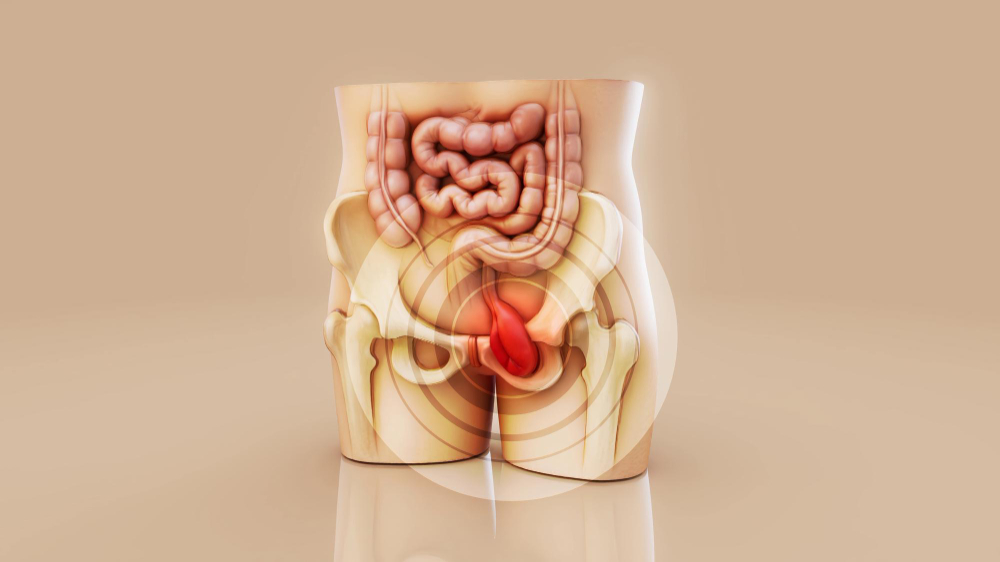
Thrombosed piles can cause sudden, severe pain that often needs urgent care. These painful lumps, also called thrombosed hemorrhoids, happen when a blood clot forms in a swollen vein near the anus. Because the pain can be intense, many people worry and seek help right away. Knowing the symptoms and treatment for thrombosed piles can help you act quickly and feel better sooner.
What Are Thrombosed Piles?
Thrombosed piles are swollen veins in the anus or rectum that have developed a blood clot. While regular piles may cause mild discomfort, thrombosed piles often bring sharp, severe pain. In many cases, the area becomes hard, swollen, and tender to touch. Sometimes, the skin around the lump may look blue or purple. Since the pain can start suddenly, it is important to know when to seek urgent care for piles.
Common Symptoms of Thrombosed Piles
Because thrombosed piles can appear quickly, it helps to know what to watch for. Early recognition can lead to faster relief. For example, you may notice:
Even though some symptoms of thrombosed hemorrhoids can seem mild at first, pain often gets worse over hours or days. Therefore, it is wise to pay attention and seek help if needed.
Causes and Risk Factors
Thrombosed piles can happen to anyone, but certain factors raise the risk. For instance, straining during bowel movements puts pressure on the veins. In addition, sitting for long periods can slow blood flow and increase risk. Other common causes and risk factors include:
Because these factors are common, many people may experience piles at some point in life. However, not all piles become thrombosed.
How Thrombosed Piles Are Diagnosed
Doctors can often diagnose thrombosed piles with a simple exam. First, they will ask about your symptoms and medical history. Next, they will check the area for swelling, color changes, and tenderness. In most cases, no special tests are needed. However, if bleeding is present or if the doctor suspects another problem, further tests may be done. For example, a gentle scope may be used to look inside the rectum. This helps rule out other causes of pain or bleeding.
Treatment Options for Thrombosed Piles
Treatment for thrombosed piles depends on the severity of symptoms. While mild cases may improve with home care, severe pain often needs urgent medical help. Common treatment options include:
Because the pain can be strong, do not wait to seek urgent care for piles if you cannot manage at home. Doctors may remove the clot with a small cut under local anesthesia. This simple procedure often gives quick relief and helps prevent problems.
Home Care and Lifestyle Tips
Even though medical treatment is important, some home care steps can help ease symptoms. For example, you can:
Because these tips can help you feel better, try to follow them along with any medical advice you receive.
Preventing Thrombosed Piles
While not all cases can be prevented, some steps lower your risk. For instance, eating a high-fiber diet helps keep stools soft and easy to pass. In addition, drinking enough water each day can prevent constipation. Other ways to prevent thrombosed piles include:
Because prevention is easier than treatment, these habits can help you avoid future pain. According to the CDC and other health experts, simple lifestyle changes make a big difference in reducing the risk of piles and their complications.
Conclusion
If you have sudden or severe pain from piles, do not wait. Book a consultation with Dr. Shameem Muhammad to get the right care and feel better soon.