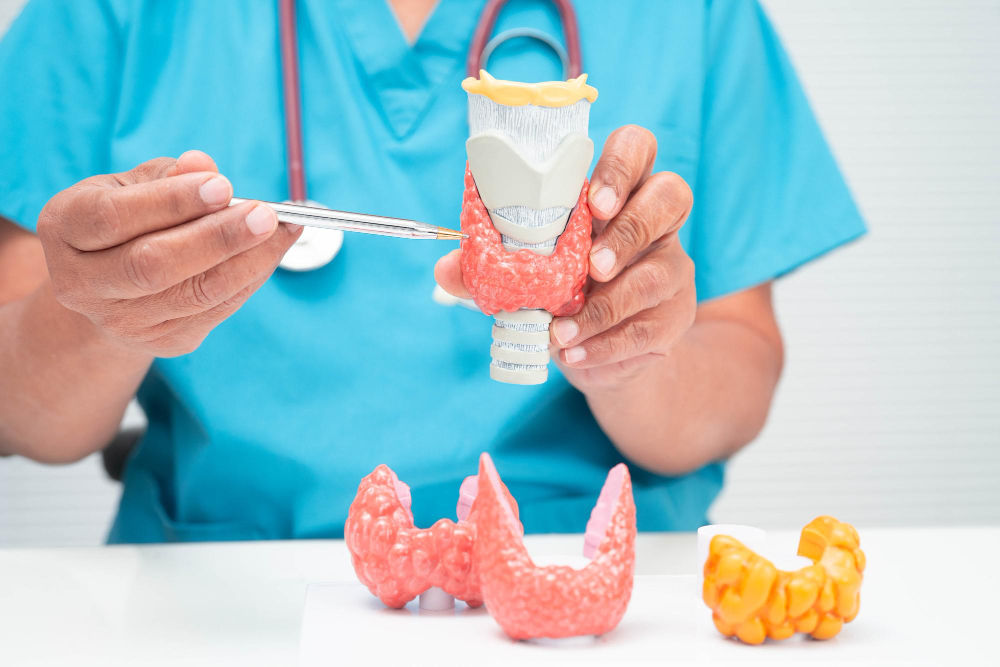
What Is Goitre and Thyroid Swelling?
Goitre and thyroid swelling mean your thyroid gland is larger than normal. The thyroid is a small, butterfly-shaped gland in the front of your neck. It makes hormones that help control your body’s energy and growth. Sometimes, the gland gets bigger and forms a lump or swelling. This is called a goitre. In many cases, goitre and thyroid swelling are not dangerous. However, it is important to know when to seek help. According to the World Health Organization (WHO), goitre is common in areas with low iodine in the diet.
Common Symptoms of Goitre
Often, goitre and thyroid swelling cause no symptoms. Still, you may notice changes as the swelling grows. For example, you might see or feel a lump in your neck. Sometimes, the swelling can press on nearby parts of your throat. As a result, you may have:
In addition, some people feel tired or notice weight changes. These symptoms can be linked to changes in thyroid hormone levels.
Causes and Risk Factors
Several things can cause goitre and thyroid swelling. Most often, low iodine in the diet is the main reason worldwide. However, in many cities and developed areas, other causes are more common. These include:
Because some causes are linked to where you live or your diet, your doctor may ask about your location and eating habits.
How Goitre Is Diagnosed
First, your doctor will ask about your symptoms and health history. Next, they will examine your neck for swelling or lumps. If needed, they may order tests to check your thyroid health. These tests can include:
Because early diagnosis helps guide treatment, it is important to see a doctor if you notice neck swelling.
Treatment Options for Goitre and Thyroid Swelling
Treatment depends on the cause and size of the goitre. In many cases, small goitres that do not cause symptoms need no treatment. However, your doctor may suggest:
Because each person is different, your doctor will help choose the best option for you.
When Does Goitre Need Surgery?
Sometimes, goitre and thyroid swelling need surgery. This is called thyroidectomy. Doctors may recommend surgery if:
In addition, surgery may be needed if the swelling keeps growing. According to the American Thyroid Association, surgery is safe but does carry some risks. Your surgeon will discuss these with you before the operation. In some cities, you may need to travel to a hospital with thyroid specialists.
Lifestyle Tips for Managing Goitre
While you cannot always prevent goitre, you can take steps to support thyroid health. For example, eating a balanced diet with enough iodine is important. You can also:
Because stress can affect your body, try to manage stress with gentle exercise or relaxation techniques.
Preventing Thyroid Swelling
Prevention starts with a healthy lifestyle. Most importantly, make sure you get enough iodine in your diet. In many countries, salt is iodized to help prevent goitre. However, if you live in an area where iodine is low, talk to your doctor about supplements. In addition, avoid unnecessary radiation to your neck. If you have a family history of thyroid problems, regular check-ups can help catch issues early. According to the CDC, early detection and treatment help prevent serious problems from goitre and thyroid swelling.
Conclusion
If you have a neck lump or swelling, do not delay. Book a consultation with Dr. Shameem Muhammad for expert thyroid care and guidance.