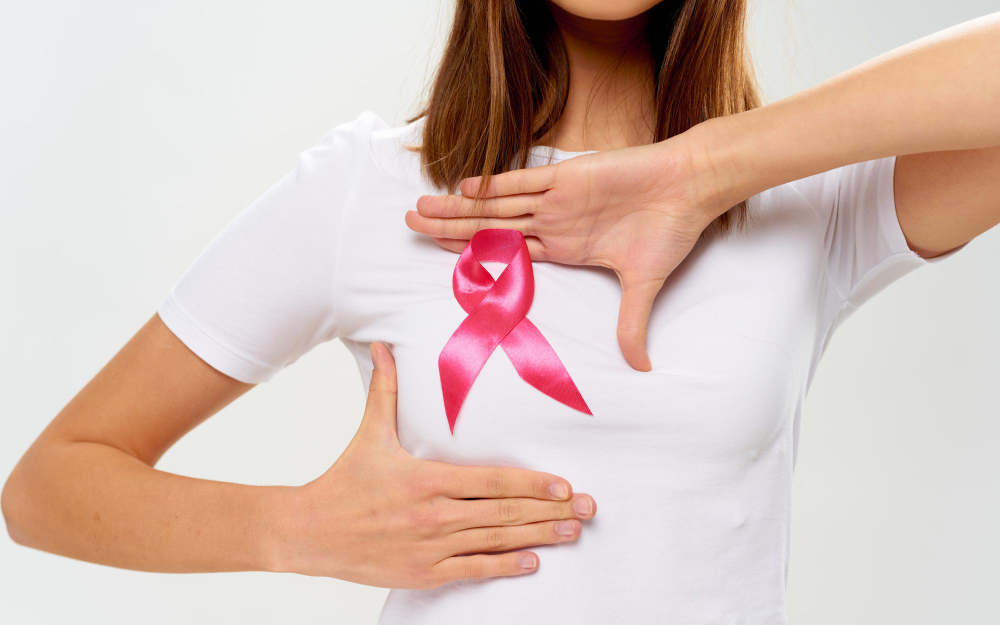
What is Breast Cancer Awareness Month?
Every October, people around the world observe Breast Cancer Awareness Month. During this time, many groups share important facts about breast cancer. For example, they talk about ways to lower risk and how to spot early signs. Because breast cancer affects millions, spreading awareness can help save lives. Many communities hold events, share stories, and encourage regular screening. As a result, more people learn how to check for breast cancer at home and when to seek help.
Importance of Early Detection
Early detection means finding breast cancer before it spreads. When doctors find cancer early, treatment often works better. In fact, the CDC and WHO both say that regular screening saves lives. For this reason, learning how to check your breasts and knowing when to get a mammogram is vital. Early action can make a big difference in recovery and survival rates.
How to Perform a Breast Self-Examination
Checking your breasts at home is simple. You do not need special tools. Still, it helps to follow a few easy steps each month. Here is how you can do a breast self-exam:
Although most changes are not cancer, you should tell your doctor if you notice anything new.
Recognizing Warning Signs During Self-Exams
Sometimes, you may find changes during a self-exam. Not all changes mean cancer. However, it is important to know what to look for. Common warning signs include:
If you notice any of these signs, contact your healthcare provider soon. Early action can help find problems before they get worse.
When to Get a Mammogram
Mammograms are special X-rays that look for breast cancer. They can find lumps before you can feel them. So, when should you get a mammogram? Most experts, including the CDC, suggest women start regular mammograms at age 40. However, some people may need to start earlier if they have a family history or other risk factors. Always talk with your doctor about the best time for you. Following breast cancer screening guidelines helps catch problems early.
Understanding Mammogram Results
After your mammogram, you will get results from your doctor. Sometimes, the results are normal. Other times, they may find something that needs more tests. For example, they might ask for another mammogram or an ultrasound. This does not always mean you have cancer. Often, these extra tests help doctors get a clearer picture. If you have questions about your results, ask your healthcare team. They can explain what the findings mean for you.
Lifestyle Tips for Breast Health
Good habits can help keep your breasts healthy. While not all risks can be controlled, you can lower your chances of breast cancer by making healthy choices. Here are some breast health tips:
Even small changes can make a difference over time. In addition, regular self-exams and screenings are key to staying healthy.
Frequently Asked Questions About Breast Cancer Screening
Many people have questions about breast cancer screening. Here are some common ones:
For more details, talk to your healthcare provider or visit trusted sites like the CDC or WHO.
Conclusion
If you have questions about breast health or screening, the Shameem Muhammad team is here to help. Book a consultation today to discuss your concerns and get personalized advice.