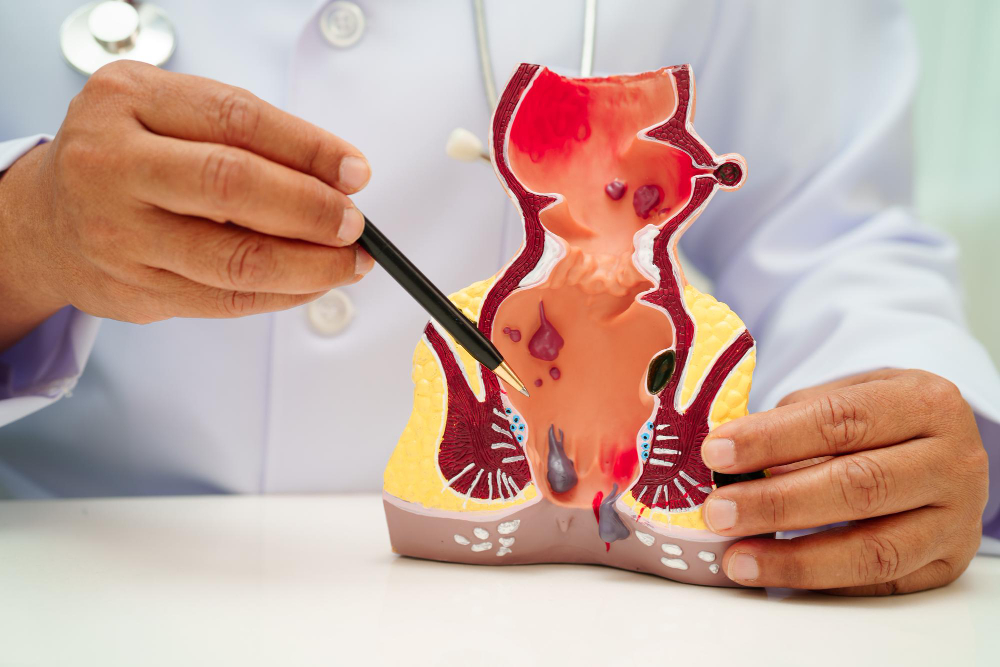
What Is a Fissure in Ano?
A fissure in ano is a small tear or cut in the lining of the anus. Because this area is sensitive, even a tiny crack can cause sharp pain. Many people experience this problem at some point. In fact, the World Health Organization notes that fissures are a common cause of anal pain. Although most fissures heal on their own, some become chronic and need more care.
Common Symptoms of Fissure in Ano
Often, people notice pain during or after passing stool. However, other symptoms can also appear. For example, you might see:
Sometimes, the pain can last for hours after using the bathroom. As a result, daily life can be affected.
Causes and Risk Factors
Several things can lead to a fissure in ano. Most often, hard or large stools stretch the skin and cause a tear. But, other causes include:
Additionally, some people are more at risk. For instance, infants, older adults, and people with certain medical conditions may develop fissures more easily. According to the CDC, healthy bowel habits can lower your risk.
Why Does the Pain Return?
Even after healing, pain from a fissure in ano can return. This happens for several reasons. First, the area may not heal fully, making it easy to reopen. Second, repeated constipation or hard stools can tear the skin again. In some cases, the muscle around the anus becomes tight. As a result, blood flow drops and healing slows. This leads to chronic anal fissure pain that keeps coming back. Sometimes, using creams or changing diet helps. However, persistent fissure in ano pain may need more treatment.
When Is Surgery Needed for Fissure in Ano?
Most fissures heal with simple care. But, sometimes, surgery is the best option. You may need surgery if:
Doctors may suggest anal fissure surgery options if you have chronic or severe pain. In cities like New York or Los Angeles, many clinics offer advanced anal fissure treatment.
Types of Surgical Treatments
There are a few main types of surgery for fissure in ano. Each method aims to help the area heal and stop the pain. For example:
Each option has its own risks and benefits. Therefore, your doctor will help you choose the best treatment for your needs.
Recovery and Lifestyle Tips After Surgery
After surgery, most people feel better within a few days. However, full healing may take a few weeks. To speed up recovery and avoid problems, try these anal fissure recovery tips:
Because every person heals differently, always follow your doctor’s advice. If you have questions about anal fissure treatment in your city, ask your healthcare provider.
Prevention Strategies
While not all fissures can be prevented, you can lower your risk. For instance, you can:
By making these changes, you can help prevent a persistent fissure in ano and reduce the chances of pain returning. For treatment consult Dr. Shameem Muhammad now.